



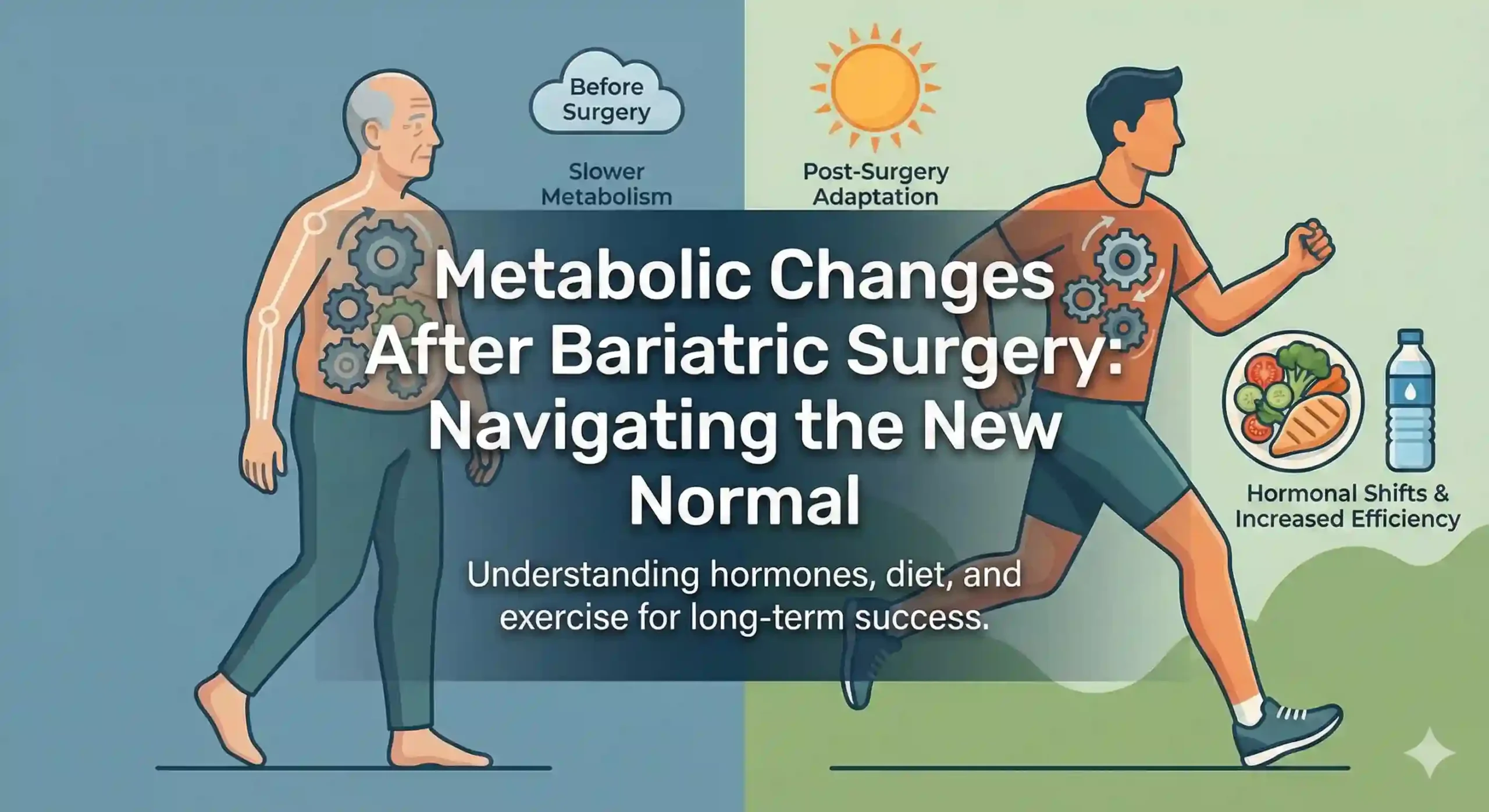

What Happens to Your Metabolism After Surgery?
metabolism after surgery this article explores practical strategies and insights. Embarking on the journey of bariatric surgery is a significant decision that can lead to transformative changes in your life, particularly when it comes to weight loss and overall health. One of the most critical aspects to understand is how your metabolism will shift after the procedure. In this blog post, we’ll explore the metabolic changes that occur post-surgery, what they mean for your body, and practical tips to adapt to these changes.
Understanding Metabolism and Bariatric Surgery
Metabolism refers to the complex biochemical processes that occur within your body to convert food into energy. After bariatric surgery, significant alterations occur in several aspects of metabolism, driven by changes in your digestive system. These changes can affect everything from your appetite to how efficiently your body burns calories.
Hormonal Changes and Appetite Regulation
Bariatric surgeries, such as gastric bypass or sleeve gastrectomy, significantly alter the hormones involved in hunger and satiety.
– Leptin and Ghrelin: Leptin, often referred to as the “satiety hormone,” helps regulate energy balance by inhibiting hunger. Ghrelin, on the other hand, is known as the “hunger hormone” that stimulates appetite. After surgery, levels of ghrelin usually decrease, leading to reduced hunger and cravings. This hormonal shift can help facilitate weight loss and create a more manageable eating routine.
– Insulin Sensitivity: Many patients experience improved insulin sensitivity post-operation, which can reduce the risk of developing type 2 diabetes. Enhanced insulin sensitivity aids in better glucose metabolism, making it easier for your body to utilize energy from food more effectively.
Caloric Expenditure and Energy Levels
After bariatric surgery, your caloric needs will change. Initially, you will consume fewer calories due to the reduced size of your stomach. This reduction can lead to a decrease in your basal metabolic rate (BMR), the number of calories your body burns at rest. However, this doesn’t mean that your body is at a standstill.
– Muscle Mass: Engaging in regular physical activity and resistance training can help preserve muscle mass during weight loss. Muscle tissue burns more calories than fat tissue, so maintaining muscle can help counteract the drop in BMR.
– Post-Operative Adjustments: As you progress through your recovery and weight loss journey, your metabolism may adapt to your new dietary habits. It’s essential to continue monitoring your caloric intake and adjust accordingly to avoid plateaus in weight loss.
Nutritional Considerations Post-Surgery
Nutrition plays a vital role in how your metabolism functions after bariatric surgery. Adhering to a well-balanced diet is crucial to ensure that you are not only losing weight but also getting the necessary nutrients for optimal metabolic function.
– Protein Intake: Focus on high-protein foods to promote muscle preservation and support recovery. Protein has a higher thermic effect than fats and carbohydrates, meaning your body burns more calories digesting it.
– Hydration: Staying hydrated is also essential for metabolic processes. Aim for at least eight cups of water per day, and consider sipping fluids between meals rather than during meals to avoid feeling too full.
– Follow-Up Care: Regular follow-up appointments with your healthcare provider can help monitor your progress and adjust your nutritional plan as needed. This step is crucial for long-term success and metabolic health.
Practical Tips for Navigating Metabolic Changes
1. Stay Active: Incorporate both aerobic and strength-training exercises into your routine. Aim for at least 150 minutes of moderate-intensity aerobic activity each week, complemented by muscle-strengthening activities on two or more days.
2. Monitor Your Diet: Keep a food diary to track your nutritional intake. This practice can help you understand your eating patterns and make adjustments as necessary.
3. Consult a Nutritionist: A registered dietitian specializing in bariatric surgery can provide personalized nutritional advice tailored to your needs, helping you navigate the metabolic changes effectively.
4. Listen to Your Body: Pay attention to hunger cues and satiety signals. This awareness can help you build a healthier relationship with food and promote a sustainable lifestyle.
Conclusion
Understanding the metabolic changes that occur after bariatric surgery is essential for maximizing the benefits of your procedure. By recognizing how your body responds and adapting your lifestyle accordingly, you can set yourself up for long-term success in your weight loss journey. If you’re considering bariatric surgery or have questions about the impact on your metabolism, don’t hesitate to reach out to Dr. José Rodríguez Villarreal. Schedule a consultation today, and take the first step toward a healthier, happier you!
Takeaways
– Bariatric surgery induces hormonal shifts that can significantly reduce hunger and improve insulin sensitivity.
– A well-balanced diet rich in protein and adequate hydration supports metabolic health after surgery.
– Regular follow-up care and physical activity are essential for maintaining metabolic function and achieving long-term weight loss success.
Frequently Asked Questions
How does bariatric surgery affect my metabolism?
Bariatric surgery leads to significant changes in your metabolism, including hormonal shifts that can reduce hunger and improve insulin sensitivity, which helps your body utilize energy more effectively.
What hormonal changes occur after bariatric surgery?
After surgery, levels of ghrelin, the hunger hormone, typically decrease, while leptin, the satiety hormone, helps regulate your appetite, leading to reduced cravings and easier weight management.
How can I maintain my metabolism after surgery?
To maintain your metabolism, engage in regular physical activity, especially strength training, and focus on a balanced diet rich in protein to preserve muscle mass and support recovery.
Why is protein important after bariatric surgery?
Protein is crucial post-surgery because it promotes muscle preservation and has a higher thermic effect, meaning your body burns more calories digesting it compared to fats and carbohydrates.
What should I do if I experience a weight loss plateau?
If you hit a weight loss plateau, consider monitoring your caloric intake, adjusting your diet, and increasing physical activity to help restart your progress.
Medically Reviewed By
Dr. Jose Rodriguez Villarreal
Board-Certified Bariatric Surgeon
- Specializing in bariatric and metabolic surgery
- Extensive experience with gastric sleeve, gastric bypass, and revision procedures
- Committed to patient safety, long-term follow-up, and realistic expectations
This article has been medically reviewed for general accuracy and safety. It is not a substitute for personal medical advice. Always consult your own physician or bariatric team about your specific situation.
For evidence-based guidance, visit BeLiteWeight resources.
Learn more from NIDDK about healthy lifestyle and nutrition.
Also read: Complete Guide to Bariatric Surgery.