


Being very heavy can make people feel unhappy and unhealthy. Mini gastric bypass is a special medical solution for people who cannot lose weight easily.
Think of it like a body helper. Doctors can change how your stomach works to help you become healthier. This surgery gives people hope when nothing else works. It’s not just about losing weight – it’s about getting a chance to feel better and more confident.
The mini gastric bypass helps people:
- Eat less food
- Feel more energetic
- Improve their health
- Gain confidence
Instead of struggling with many diets, this surgery offers a new path to feeling good about yourself.
What is Mini Gastric Bypass?
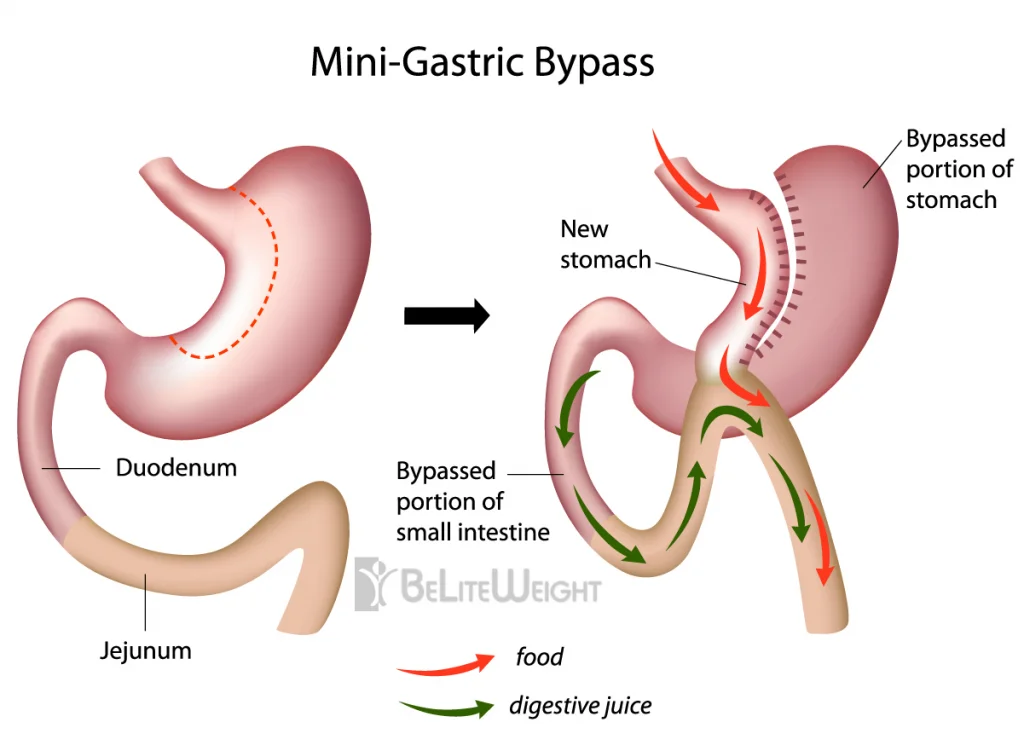

Mini gastric bypass is a minimally invasive bariatric surgical procedure designed to help individuals achieve substantial weight loss by modifying the digestive system’s anatomy. Unlike traditional weight loss surgeries, the mini gastric bypass involves creating a small stomach pouch and redirecting the intestines, effectively reducing food intake and altering nutrient absorption.
Eligibility Criteria
Who is a Candidate for MGB?
Potential candidates for mini gastric bypass typically include:
- Individuals with a Body Mass Index (BMI) over 40
- People with BMI between 35-40 with obesity-related health complications
- Those who have unsuccessfully tried traditional weight loss methods
Mini gastric bypass can improve several health problems:
Conditions That Get Better
Type 2 Diabetes
Your body finds it hard to use sugar properly. Blood sugar becomes too high. Mini gastric bypass helps your body handle sugar better, like a reset button for your body’s sugar system.
High Blood Pressure
Think of blood pressure like water pressure in pipes. When pressure is too high, it can damage your body’s pipes (blood vessels). The surgery helps lower this pressure, making your body’s pipes safer.
Sleep Apnea
This is when you stop breathing for short moments while sleeping. Imagine a blocked straw that sometimes gets stuck. The surgery helps open up your breathing path, making sleep smoother and safer.
High Cholesterol
Cholesterol is like sticky fat in your blood. Too much of it can block your blood pipes, like mud blocking a water pipe. Mini gastric bypass helps clean these pipes and reduce the sticky fat.
Each condition makes your body work harder than it should. The surgery is like giving your body a helpful tune-up, helping it work more smoothly and easily.
Checking Your Health for Mini Gastric Bypass
What Doctors Check?
Before the mini gastric bypass surgery, doctors become like health detectives. They carefully examine every part of your body to ensure you’re a good candidate for the procedure. Let’s explore what they look for:
Overall Health Assessment
Doctors first look at your body’s general condition. They want to understand how healthy you are right now. Moreover, they check how different body systems work together smoothly. Sometimes, hidden health problems might not be obvious, so they do thorough investigations.
For example:
- They measure your weight and height
- Check your body mass index (BMI)
- Look for any signs of weakness or unusual symptoms
- Understand how your different organs communicate and function
Body Functions Examination
Your body works like a complex machine. Doctors carefully inspect each critical system:
Heart Function
- They check your heart rate
- Measure blood pressure
- Look for any potential cardiac risks
- Ensure your heart can handle the surgery
Lung Performance
- Test your breathing capacity
- Check lung volume
- Examine oxygen levels in your blood
- Ensure you can handle anesthesia safely
Digestive System
- Examine stomach and intestine health
- Check digestion efficiency
- Look for any existing digestive issues
- Understand how your body processes food
Blood Circulation
- Monitor blood flow
- Check cholesterol levels
- Look for any circulation problems
- Ensure healthy blood movement
Medical History Deep Dive
Doctors are like detailed historians of your health. They investigate:
Past Illnesses
- Review all previous medical conditions
- Understand how past diseases might impact surgery
- Check recovery patterns from previous health challenges
Medication Review
- List all current and past medications
- Understand potential drug interactions
- Check how medicines might affect surgery
Family Health Background
- Explore family medical history
- Identify potential genetic health risks
- Understand inherited health conditions
Surgical History
- Review previous surgeries
- Check healing patterns
- Understand how your body responds to medical procedures
The Ultimate Goal
The primary aim is ensuring your safety. Doctors want to confirm that mini gastric bypass will improve your health, not create additional challenges.
Think of this process like a comprehensive car inspection before a long journey. Just as mechanics check every part of a vehicle, doctors examine every aspect of your health to ensure a smooth and successful surgical experience.
The main purpose is simple: doctors want to be 100% sure that mini gastric bypass will help you become healthier. They check everything carefully, like a doctor detective solving a health mystery.
Think of it like a car check-up. Before a big road trip, mechanics check every part to make sure the car is safe. Doctors do the same with your body before surgery.
Would you like me to explain any part more simply?
Difference Between Surgical Procedures
Both mini gastric bypass and traditional Roux-en-Y gastric bypass share a common goal: helping people lose weight. However, they work differently. The mini gastric bypass is like a simplified version of the traditional surgery.
Key Surgical Differences
Imagine two paths to the same destination. The traditional gastric bypass is like a long, winding road. In contrast, the mini gastric bypass is like a shorter, more direct route. This means:
- Doctors spend less time in the operating room
- Patients experience less surgical stress
- Recovery happens more quickly
- There are fewer chances of complications
Mini Gastric Bypass vs Traditional Gastric Bypass
The mini gastric bypass has special features that make it unique:
Surgical Characteristics
- Takes less time to complete
- Uses a simpler surgical technique
- Allows faster patient recovery
- Provides similar weight loss results
Advantages of Mini Gastric Bypass
The mini gastric bypass offers multiple benefits:
Weight Loss and Health Benefits
- Helps patients lose weight effectively and consistently
- Improves overall metabolic health
- Uses smaller surgical cuts
- Reduces risks during surgery
- Shortens hospital stay
Why These Advantages Matter
Patients can expect a safer, quicker path to better health. The surgery is like a precise tool that helps your body reset and start working more efficiently.
Understanding Mini Gastric Bypass: Clearing Common Misconceptions
Common Misconceptions About Mini Gastric Bypass
People often have wrong ideas about mini gastric bypass. Rumors spread quickly, and misinformation can be dangerous. Because of this, patients need to be careful and smart about their health decisions.
Why Misconceptions Happen
Medical topics can be complex and challenging to understand. Sometimes, people share incomplete information without knowing the full details. Social media platforms often spread quick, sometimes incorrect information about medical procedures. Fear and lack of knowledge create myths that can mislead potential patients about the mini gastric bypass.
What Patients Should Do
Get Professional Guidance
Patients should talk directly to professional bariatric surgeons who understand the procedure deeply. These medical experts can explain everything clearly and answer all specific questions. They provide accurate, personalized information about the mini gastric bypass that helps patients make informed decisions. Professional guidance ensures that patients understand the nuances of the surgical procedure.
Ask Important Questions
When considering mini gastric bypass, patients must ask comprehensive questions about the surgery. They should inquire about how the procedure works, what are the real risks, and what changes will happen in their body. Understanding the detailed process helps remove fears and provides clarity. Patients should also ask about the expected lifestyle modifications and recovery process.
Seek Accurate Information
Finding reliable information is crucial for understanding mini gastric bypass. Patients should look for scientific and medical sources that provide evidence-based insights. Reading research papers, understanding medical journals, and consulting professional medical resources can help dispel myths. It’s important to avoid relying on random internet stories or unverified personal accounts.
Understand Risks and Benefits
Every surgical procedure comes with potential risks and benefits. Patients must know exactly what might happen during and after the mini gastric bypass. Understanding possible complications and expected positive outcomes helps in making an informed decision. A balanced perspective allows patients to weigh the potential advantages against the risks.
Important Patient Advice
Think of choosing a mini gastric bypass like buying an important machine. Just as you would carefully research a significant purchase, patients must thoroughly understand the surgical procedure. Every person’s body is unique, which means what works for one patient might differ for another. Individual health matters most, and personal medical history plays a crucial role in determining the surgery’s success.
Key Takeaway
Mini gastric bypass is a modern surgical approach, but it’s not a magical weight loss solution. It’s a tool to help manage weight that requires personal commitment. The procedure offers hope, but it’s not a standalone solution to weight-related health issues.
What Else Matters
Proper diet remains essential even after the surgery. Regular exercise continues to be important for maintaining weight loss and overall health. Lifestyle changes are necessary for long-term success. The mini gastric bypass is most effective when combined with continuous personal effort and commitment to a healthy lifestyle.
The Real Success Formula
Surgery combined with a healthy lifestyle yields the best results. Patients must understand that the mini gastric bypass is a powerful tool, but it works best when supported by personal dedication to health and wellness.
The mini gastric bypass is a carefully planned surgical process. Doctors work like skilled architects redesigning your body’s digestive system. The procedure involves three main steps:
Creating a Small Stomach Pouch
Surgeons create a tiny stomach space, about the size of a banana. This small pouch helps patients feel full quickly. Moreover, it limits the amount of food a person can eat at one time. As a result, patients naturally consume fewer calories.
Bypassing Part of the Small Intestine
During the surgery, doctors carefully reroute a portion of the small intestine. This clever technique reduces the area where food is absorbed. Consequently, fewer calories and nutrients are processed by the body. Additionally, this helps patients lose weight more effectively.
Reconnecting the Digestive Tract
Surgeons skillfully reconnect the digestive system to ensure smooth functioning. They create a new path for food to travel through the body. This approach helps reduce nutrient absorption while maintaining overall digestive health.
Pre-Operative Preparations
Before the mini gastric bypass, patients go through comprehensive health checks:
Medical Evaluations
Doctors conduct thorough health examinations. They check every aspect of the patient’s body to ensure surgical readiness. Blood tests, heart checks, and full body screenings are performed carefully.
Nutritional Counseling
Patients meet with nutrition experts who prepare them for the surgery. They learn about:
- Proper eating habits
- Dietary requirements
- Nutritional needs after surgery
- How to maintain health long-term
Psychological Assessment
Mental health is equally important. Psychologists help patients:
- Understand the emotional aspects of weight loss
- Prepare mentally for body changes
- Develop coping strategies
- Build realistic expectations
Surgical Steps
Laparoscopic Technique
Surgeons use advanced mini gastric bypass techniques. They make small cuts instead of large openings. This approach means:
- Less pain for patients
- Faster healing
- Smaller scars
- Quicker recovery time
Recovery Process
Hospital Stay
Patients typically stay in the hospital for 1-2 days. Doctors monitor their initial recovery closely. Nurses provide constant care and support during this time.
Dietary Guidelines
After surgery, patients follow strict dietary rules:
- Start with liquid diets
- Gradually introduce soft foods
- Slowly return to normal eating
- Take recommended supplements
Follow-Up Appointments
Regular check-ups are crucial. Doctors:
- Monitor healing
- Check weight loss progress
- Address any potential complications
- Provide ongoing support
Tools and Technologies
Advanced Medical Equipment
Surgeons use:
- High-precision surgical instruments
- Advanced laparoscopic cameras
- State-of-the-art monitoring systems
- Specialized medical tools
Anesthesia and Pain Management
Surgical Comfort
Patients receive:
- General anesthesia for a pain-free procedure
- Carefully planned pain management
- Medication to ensure comfort
- Continuous medical monitoring
Benefits of Mini Gastric Bypass: A Comprehensive Transformation
Weight Loss Outcomes
The mini gastric bypass delivers remarkable weight loss results. Patients typically lose between 60-80% of their excess body weight within just 12-18 months after surgery. This means a person weighing 100 pounds over their ideal weight could potentially lose 60-80 pounds. Moreover, the weight loss is often consistent and sustainable.
Improvements in Metabolic Health
Mini gastric bypass does more than just help patients lose weight. It acts like a reset button for the body’s metabolic systems. Here’s how it improves overall health:
Insulin Sensitivity
The surgery helps the body use insulin more effectively. Patients with type 2 diabetes often see significant improvements. Blood sugar levels become more stable and manageable. Additionally, some patients may reduce or eliminate diabetes medications.
Blood Pressure Regulation
High blood pressure becomes easier to control after the surgery. The reduced body weight and improved metabolic functions help lower blood pressure naturally. Patients often experience more stable and healthier cardiovascular systems. Furthermore, they may need fewer blood pressure medications.
Cholesterol Level Management
Cholesterol levels typically improve dramatically. The surgery helps reduce bad cholesterol and increase good cholesterol. Patients can see significant improvements in their lipid profiles. Additionally, this reduces the risk of heart-related diseases.
Psychological Benefits
The mini gastric bypass transforms more than just physical health. It creates profound psychological improvements:
Self-Confidence Boost
As patients lose weight, their self-confidence grows. They feel more comfortable in their bodies. Social interactions become easier and more enjoyable. Moreover, patients often report feeling more positive about themselves.
Quality of Life Enhancement
Everyday activities become simpler and more enjoyable. Patients can move more easily and participate in activities they previously found challenging. Their energy levels increase, and they feel more engaged with life. Furthermore, relationships and social interactions often improve.
Mental Well-being
The surgery has a significant impact on mental health. Patients experience reduced depression and anxiety related to weight issues. They develop a more positive outlook on life. Additionally, the sense of achievement in managing their health boosts overall mental well-being.
Comparison with Other Bariatric Procedures
Mini gastric bypass stands out among weight loss surgeries. It offers:
- Similar or better weight loss outcomes
- Less invasive procedure
- Faster recovery time
- Lower risk of complications
Compared to traditional weight loss surgeries, the mini gastric bypass provides:
- More efficient metabolic improvements
- Quicker surgical process
- Less physical stress on the body
- More predictable long-term results
Key Takeaway
The mini gastric bypass is not just a weight loss surgery. It’s a comprehensive health transformation tool. It addresses physical, metabolic, and psychological aspects of health. However, success depends on the patient’s commitment to lifestyle changes and follow-up care.
Understanding Risks and Transformations with Mini Gastric Bypass
Common Risks
Every medical procedure has some risks, and mini gastric bypass is no different. Patients should understand these potential challenges:
Infection
After surgery, there’s a small chance of getting an infection. Doctors take many precautions to prevent this. They use special cleaning techniques and give antibiotics to keep patients safe. Moreover, patients must follow careful hygiene instructions during recovery.
Nutrient Deficiencies
The surgery changes how your body absorbs food. Sometimes, this can lead to missing important vitamins and minerals. Therefore, patients need to:
- Take special supplements
- Follow diet instructions carefully
- Have regular check-ups with doctors
- Monitor their nutrition closely
Surgical Complications
Like any surgery, there are small risks during the procedure. Doctors carefully check patients before surgery to minimize these risks. They use advanced techniques to make the surgery as safe as possible.
Long-Term Risks vs. Benefits
The mini gastric bypass has both risks and benefits. However, for many people, the benefits are much larger than the potential problems. Doctors carefully choose who can have this surgery to ensure the best outcomes.
Lifestyle Changes Post-Surgery
Dietary Adherence
Patients must follow strict eating rules:
- Eat smaller portions
- Choose healthy foods
- Avoid sugary and fatty foods
- Drink plenty of water
Regular Exercise
Moving your body becomes important:
- Start with gentle exercises
- Walk regularly
- Build strength slowly
- Stay active every day
Medical Supervision
Doctors will:
- Do regular check-ups
- Monitor your health
- Help you stay on track
- Adjust your care as needed
Patient Stories and Testimonials
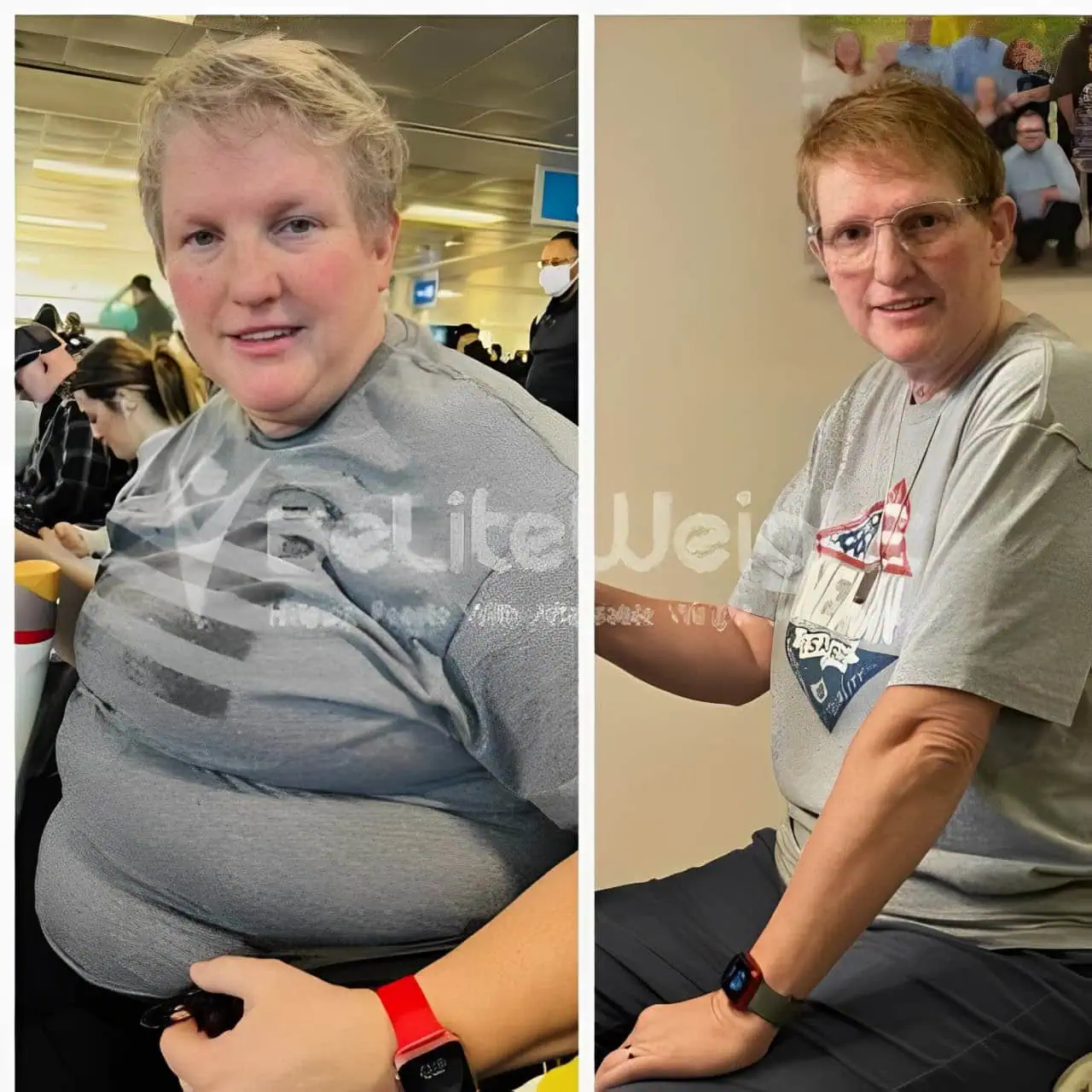
Yes it’s been a year and I have lost 100Lb. Doing great thus far. Thanks for the check in.

Hi! I am doing great!! I am 105lbs lighter and feeling wonderful!!
The befores are actually taken in the hospital the night before surgery and the current ones are from my sister’s wedding last weekend!.
Thank you!

81lbs down

I’m 167 now. A number that I haven’t seen in a very long time. I’m not quite to my goal of 150 but almost. All of my info is the same.

Yep! That is all correct! This Saturday is my one year mark and guess what….: I’m riding a 100 mile century bike race that day!! I feel so good and so strong! All of my labs (blood work) are in the normal range and I just know that this was the very best decision for me!! This was me last weekend after I rode 71 miles around Bear Lake training for the century! I took these pictures exactly a year ago doing yoga. I’ve always loved to exercise and have so much love and appreciation for my incredible body but I just didn’t feel right in my skin. One year later and I still enjoy yoga but I also get to do more of the things that I love! I feel healthy and happy!!
IF YOU WANT TO VIEW MORE PATIENT TESTIMONIALS CLICK HARE
Conclusion
The mini gastric bypass represents a comprehensive medical solution for individuals battling obesity. It’s much more than a simple surgical procedure. This innovative approach offers hope and a genuine opportunity for transformation. Patients can not only lose weight but also improve their overall health, boost their self-confidence, and enhance their quality of life. By addressing both physical and psychological aspects of weight management, the mini gastric bypass provides a powerful tool for those seeking a sustainable path to better health and well-being.
FAQs
What is a mini gastric bypass?
A minimally invasive weight loss surgery that reduces stomach size and reroutes part of the small intestine to help patients lose significant weight effectively.
Who is the ideal candidate for mini gastric bypass?
Individuals with a BMI over 40 or between 35-40 with obesity-related health conditions like diabetes, hypertension, or sleep apnea are potential candidates.
How much weight can I expect to lose after mini gastric bypass?
Patients typically lose 60-80% of excess body weight within 12-18 months after surgery, depending on individual commitment to diet and lifestyle changes.
What are the main risks of mini gastric bypass?
Potential risks include infection, nutrient deficiencies, surgical complications, and potential long-term metabolic changes that require careful medical monitoring and follow-up.
How long is the recovery process after mini gastric bypass?
Most patients stay in the hospital for 1-2 days and can return to normal activities within 2-3 weeks, with full recovery taking 4-6 weeks.
Will insurance cover mini gastric bypass surgery?
Coverage varies by insurance provider. Many plans cover the procedure if patients meet specific medical criteria and demonstrate medical necessity for weight loss.
How does mini gastric bypass differ from traditional gastric bypass?
It’s a simpler, less invasive procedure with shorter surgical time, fewer complications, and similar weight loss outcomes compared to traditional gastric bypass surgery.
What lifestyle changes are required after mini gastric bypass?
Patients must follow strict dietary guidelines, take nutritional supplements, exercise regularly, attend follow-up appointments, and make permanent lifestyle modifications.
Are the results of mini gastric bypass permanent?
Results can be long-lasting with proper diet, exercise, and lifestyle changes. However, patients must actively maintain their weight loss and health.
How soon can I return to work after mini gastric bypass?
Most patients can return to non-physical work within 1-2 weeks, depending on individual recovery and the nature of their job responsibilities.







 View our other patient testimonials on –
1-800-215-6497
1-800-215-6497