Does It Make Sense to Be a Part-Time Vegan?


To go vegan or not to go vegan, that is the question.

According to a 2012 Gallup poll, roughly 2 percent of Americans consider themselves vegans. These people choose to eat no meat or dairy products—no hamburgers or chicken, no milk or cheese.

Their specific reasons for choosing the vegan lifestyle are varied. Some say it's an ethical issue; they don't think it's humane to kill another living being. Others say it's about taste; they simply prefer plant-based foods.

But nearly all of them agree that their diets are healthier than those of the other 98 percent of Americans who are proud carnivores or vegetarians.

Scientists haven't reached a clear consensus as to which diet is the best, but one thing is clear: There may be some value in being a "part-time vegan":

Cutting out meat and dairy may help lower your cholesterol

There is "good" cholesterol and "bad" cholesterol. Good cholesterol, that which actually helps your body fend off heart disease, is found in vegan-friendly foods such as almonds, oat bran and orange juice. Bad cholesterol, that which clogs your arteries, is found in eggs, steak, cheese and hamburger. Hence, eating like a vegan for a while can help lower your cholesterol.

Eating like a vegan could lower your blood pressure

The American Diabetic Association reports that people who eat a vegan diet have a decreased risk of hypertension, or high blood pressure. This is a good thing.

You'll load up on antioxidants

Antioxidants are really, really good for you. Once consumed, they remove potentially damaging chemicals from your body. Scientists believe they help fend off horrible diseases such as cancer, cardiovascular disease and even Alzheimer's. The good news for vegans (and part-time vegans) is that many fruits and vegetables are super high in antioxidants. So if you're eating like a vegan, even for a little while, you'll be loading up your body with the powerful disease-fighting agents.

At the end of the day, experts agree that moderation is key to any successful diet. So maybe trying it for a week—and reaping the benefits—is the way to go.

Weight Loss Recipe: Refreshing Summer Salad


Light, crisp, ultra healthy and with many benefits for weight loss, this happens to be a great and easy refreshing summer salad that is perfect as a side or even a whole meal. In particular, this summer salad isn't your typical salad and is full of tantalizing and new tastes that are perfect for foodies looking to eat right and stay fit.

What main ingredients happen to be the healthiest? Check it out:

  • There are a bunch of fruits and a bit of vegetable being used that have tons of ultra healthy vitamins for your body: sweet corn, papaya, cucumber, and pineapple, to name just a few.
  • The dressing utilizes lemon, ginger, and honey with Vitamin A and C to help boost your antioxidants and healthy, glowing skin.
  • Have a sweet tooth that needs to be satisfied during your dieting? No problem, the fruits act as a natural sweetener without all of the processed sugar found in most sweet foods.
  • Ginger is great for your digestion, making your stomach stronger and more resilient as well as adding a tangy and unique taste to this crisp summer salad.

For this particular recipe, you will need to create both the dressing and salad itself. But, they are both very easy to create and will only take roughly five minutes to mix together. Afterwards, you can refrigerate the dressing for a few minutes before drizzling it on the salad. Then, you can serve and enjoy as a family meal, as a dish at a get-together, or just a treat for yourself!


Here are all of the ingredients for the dressing:


  • One half teaspoons of grated ginger
  • Two teaspoon lemon juice
  • One teaspoon honey
  • One tablespoon of low-fat curds
  • One tablespoon of skim milk powder
  • A dash of salt

And here are all of ingredients for the summer salad:


                                                                                                Photo and recipe courtesy of Tarla Dalal

  • One cup of watermelon cubes
  • One cup of pineapple cubes
  • One sliced cucumber
  • Three fourths cup of papaya cubes
  • Two tablespoons of sweet corn kernels (cooked)
  • Two tablespoons of grated carrots for garnish

Directions:

  1. Mix all of the dressing ingredients together. Chill for at least one hour before serving.
  2. Add all of the salad ingredients into a large bowl (without adding the carrots) and mix together in a large bowl.
  3. Right before serving pour the refrigerated ginger dressing on top of the salad and gently toss.
  4. Serve right away.

Top 10 Fitness Apps to Stay Fit


Fitness apps are perfect to keep track of your dieting and healthy lifestyle much easier and simpler, whether it's allowing for you to track your mileage when you run or calories you eat per day.

There are tons of fitness apps out there that are great for your well-being. In fact, here are the top ten fitness apps so you can stay fit and healthy around the clock.

  1. GymPact: This iOS only app has an interesting concept, which is making sure you don't skip out on your gym time by paying you for your time! That's right, this app will pay you to exercise.
  2. Fitness Buddy: This Android app offers over 300 different kinds of exercises. This one happens to be a must-have app for your fitness endeavors.
  3. Pocket Yoga: When you need to wrap up your fitness with some stretching or simply want some low-impact exercising, Pocket Yoga is the perfect companion with 27 different stretches for you. Available for iOS.
  4. Teemo:This iOS app rewards team-effort (having friends who are also exercising is key) and the app also focuses on smaller fitness routines for better overall health.
  5. Zombies, Run! 2: Another Android based app, this one combines zombie apocalypse role-playing elements with real-life running and jogging.
  6. Fitocracy:This is both a fitness social network and it comes fully loaded with a robust tracking system. Available for iOS and Android.
  7. Nike Training Club: Another app available for iOS and Android, this one allows you to build your own personalized goals and workouts to track.
  8. Couch To 5k: For those who need some extra motivation, this app is perfect because it helps you work out in reasonable intervals until you can achieve a 5k run on your own. Available for Android devices.
  9. Fooducate: Part of fitness is also eating healthy and this app will help you understand food labels and pick the right kinds of food. Available for iOS and Android.
  10. FatSecret Calorie Counter: Another food app for Android users, this app is great for tracking, comparing, and analyzing your entire calorie intake so you can be healthier and truly commit to a diet.

Medicare for Gastric Sleeve Surgery: What You Need to Know


Gastric sleeve surgery can be a life changer. In many instances, it's a lifesaver. And, thanks to Medicare, it's affordable for those who qualify.

The best way to see if you're eligible for Medicare for gastric sleeve surgery is to contact a representative with Medicare.

In the meantime and to get you started, here are the basic, minimum requirements to get approval from Medicare for gastric sleeve:

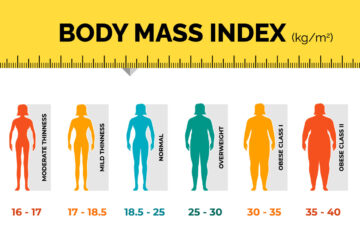
  • Your body mass index must be 35 or more
  • You must have a serious illness that is directly related to your weight—diabetes or blood pressure problems, for example
  • You must have struggled with obesity for at least five years
  • You must have attempted to lose weight through a medically supervised weight loss program
  • You must have a letter from your doctor that says he/she recommends weight loss surgery
  • You must pass a psychological exam.

If you meet these criteria and wish to pursue Medicare for gastric sleeve surgery, your next step is to contact the government.

The Centers for Medicare & Medicaid Services has a pretty good website that is full of information that can help you get started. Don't be surprised, however, if you are forced to jump through a lot of red tape—the federal government is notorious for being inefficient, and it is not known for providing excellent customer service.

In fact, many people find that it is less frustrating and stressful to find an affordable alternative to Medicare-approval for gastric sleeve surgery. However, if Medicare will pay for your procedure, this is the advised way to go—it's obviously less expensive and you will be required to have the surgery at a Center of Excellence, which means you'll get the best possible care.

Whether you are interested in Medicare for gastric sleeve surgery or pursuing the procedure on your own, we are happy to help. Drop us an email or give us a call and one of our patient care coordinators will walk you through the process—we've become pretty good at cutting through the Medicare red tape.

Why Non-Fat Is Not the Answer to Dieting


Brace yourself, because you're about to read about the "F-word."

No, not that "F-word". This post is all about the other word you avoid that begins with the letter F: fat.

If you're like many people, you don't like saying the word fat, much less ingesting actual fat. But there's something you need to know: Your body needs it.

By now you probably know that not all fats are created equal.

Trans fats and saturated fats—those that are solid at room temperature and found in butter and on a steak—are terrible for you. They raise your bad cholesterol level, clog your arteries and put you at a much higher risk of developing heart disease.

Then there's the so-called "good fat." This is the fat that comes from vegetable products and fish. The vegetable variety is generally liquid and used for cooking—peanut and olive oil, for example. The fish variety is found in, well, fish—salmon, mackerel and even sardines.

"Good fat" does a lot of, well, good things for your body. It can actually lower your cholesterol level. It helps prevent heart disease. It helps treat a host of other ailments, including arthritis and lupus, and it is even believed to help with depression.

You know all this, right. How you're supposed to avoid "bad fats" and replace them with all sorts of "good fat," right?

But here's something you probably didn't know: "Good fat" can actually help you lose weight.

It's true—your body actually needs fat in order to function properly. And "good fat" works best, obviously.

"Good fat" not only shields you from an array of horrible maladies, but it also reduces cravings; helps your body absorb essential vitamins and minerals which keep you healthy and properly digesting nutrients; and it works as a fat burner.

That's right: "Good fat" actually burns fat by helping boost your metabolism.